by
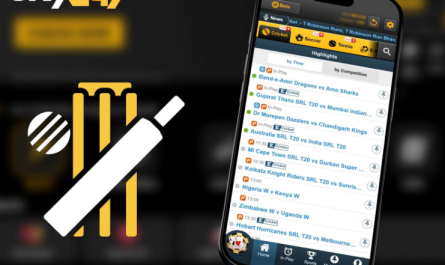
by Live cricket on a phone looks simple from the outside. The fan opens a page, checks the score, sees who is batting, and returns to the match. In real use, it is rarely that tidy. A live match sits between messages, video clips, fantasy chats, betting talk, score alerts, and the broadcast itself. The phone becomes a small control room, and every slow load or awkward tap feels larger than it should.
The fan is usually checking in a hurry
Cricket gives people natural gaps: between overs, during field changes, after a wicket, while the third umpire checks a replay, or when drinks come on. Those pauses are short enough that the page has to work without asking for patience. If the user opens a live cricket screen and spends the first few seconds closing pop-ups or waiting for the score to refresh, the page has already missed the moment.
For a fan trying to keep the match close while moving between screens, the useful match view begins here, where live cricket context can sit beside the broadcast instead of being buried across several tabs. That kind of page only feels helpful when the score, overs, wickets, and current situation are clear before anything else asks for attention.
Real-time pages should feel stable
Speed matters, but stability matters just as much. A live page that refreshes quickly but jumps around while loading can still annoy the user. The worst moment is when someone tries to tap the scorecard, and a new banner shifts the screen under their thumb. Cricket fans open live pages again and again during a match, so small layout problems become familiar very quickly.
A good mobile page should keep the core area steady. The score should not vanish during updates. Match status should be easy to read. Betting-related panels, if present, should stay separate from the basic cricket information. The user should never have to guess whether they are looking at match facts, promotional content, or a clickable action.
What makes a live cricket page easier to trust
Trust in a live page does not come from loud design. It comes from the feeling that the page knows what the fan needs first.
- The current score appears without extra scrolling.
- Overs, wickets, and batters are visible at a glance.
- Updates arrive without breaking the layout.
- Commentary or match notes are easy to scan.
- Betting sections do not blend into score information.
- Buttons are large enough for quick mobile taps.
- The page stays readable in one-handed use.
These details sound plain, but that is exactly the point. Live cricket is already full of tension. The interface should not add more.
Notifications can help or ruin the rhythm
A smart notification can bring a fan back at the right time: wicket, fifty, rain delay, powerplay ending, chase getting tight. Too many alerts do the opposite. They turn the match into phone clutter, especially when every small event tries to sound urgent.
Cricket alerts work best when they understand the difference between useful and noisy. A wicket matters. A final-over equation matters. A major injury update matters. Ten small reminders about the same match do not. The fan should feel pulled back into the game, not pushed around by the app.
Live cricket and betting need clear separation
Because live cricket changes after almost every ball, betting information often sits near score updates. For adults in places where betting is legal, this can be part of the match-day experience. The page still has to keep boundaries clear. A score update is not the same as a betting prompt, and a user should not feel nudged into action while simply trying to follow the game.
Good mobile design can make that difference visible. Match data should stay clean and readable. Betting areas should have their own space. If a user chooses to interact with them, the decision should be deliberate. Limits should also come before emotion, because cricket can swing fast enough to make poor decisions feel exciting for a few seconds. Entertainment money should stay separate from food, bills, rent, transport, savings, and family needs.
The best cricket tech stays out of the way
A live cricket page does not need to impress users every second. It needs to be there when they reach for it. The fan wants to see whether the required rate has changed, whether the set batter is still there, who has overs left, and whether the last wicket really shifted the match. If the page answers those questions quickly, it has done its job.
The strongest mobile sports experiences are the ones people barely notice after opening them. They load, update, stay readable, and let the fan return to the match. That may sound ordinary, but in live cricket, ordinary can be exactly what keeps the experience smooth. The game already has enough drama in the middle. The phone should help fans follow it without turning every check into another task.